Sweet Pudding Made from Potatoes: Cinnamon, Sugar and Seven Eggs
Recipe No. 1562: potatoes were cooked in milk and combined with egg foam; an entirely different beef pudding follows in the book.
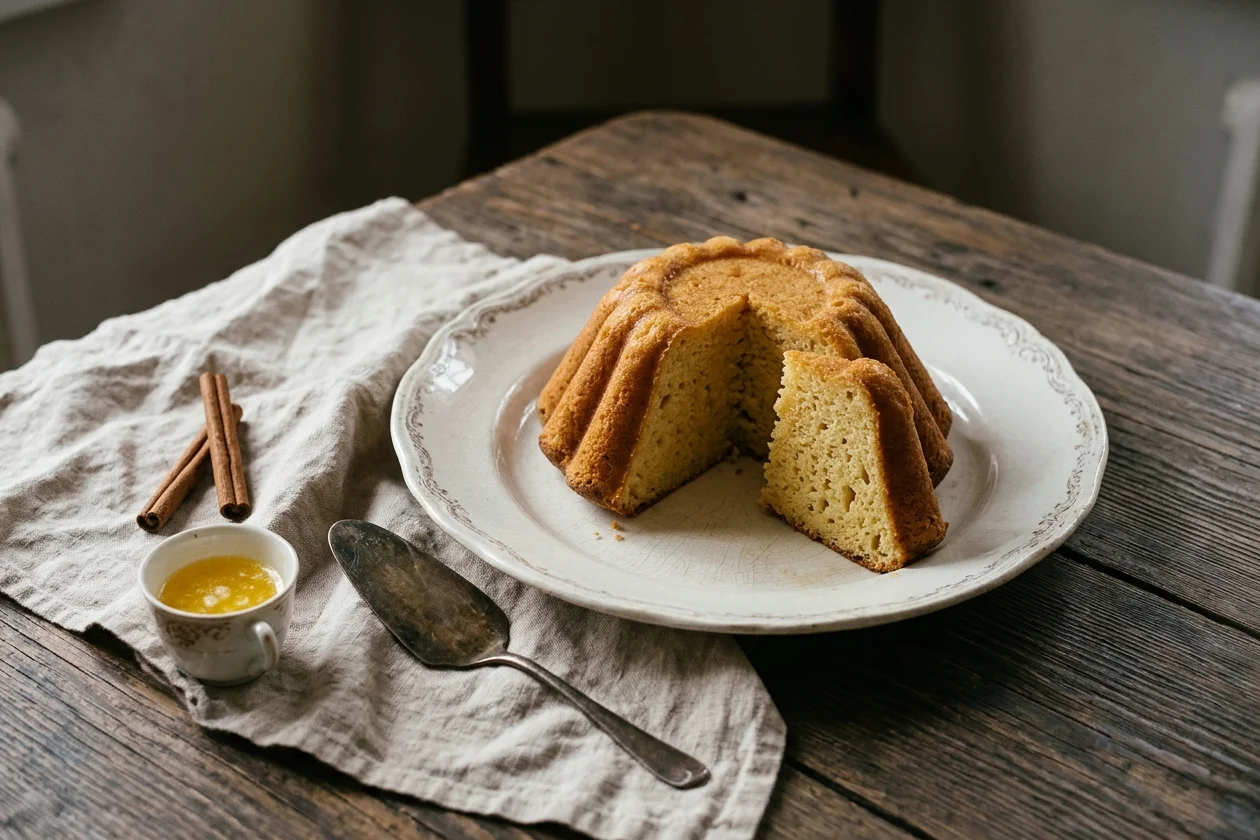
Potatoes were not just a side dish
In No. 1562 Molokhovets uses potatoes as the base of a sweet moulded dish. Sugar, butter, cinnamon, yolks and beaten whites are added to the sieved mixture. Potatoes here occupy the place that groats, bread or flour may occupy in other desserts. This is not a potato pie with pastry, however: flour is not listed in the pudding itself, and rusks are used to prepare the mould. The author suggests turning the result onto a dish and accompanying it with butter. The unusual feature is precisely the sweet interpretation of a familiar vegetable.
Why the potatoes were cooked in milk
The author calls for sweet, floury potatoes, peeled and boiled in whole milk that should barely cover the pieces. They are then drained on a sieve and rubbed through it while hot. Milk differs from water in its protein, fat and milk sugar content. The book does not measure how much milk remains in the potato mixture after draining. The floury quality of potatoes also depends on variety and starch properties. A modern mashed base will therefore not always have the same moisture content as Molokhovets describes.
Seven eggs and two stages of beating
For one and a half glasses of potato mixture, the text specifies seven yolks worked with sugar, followed by seven beaten whites. Yolks enrich the mixture and egg-white foam introduces air. Potato starch has already changed structure during boiling, while further heating of the egg mixture helps set its shape. There is a discrepancy between the ingredient list and the main text: the latter names four full spoonfuls of sugar, the list three. Neither figure should be chosen as unquestionably correct without consulting the printed page. The discrepancy itself matters to a reader of the original source.
What happened to the mould and the finished dish
The pudding mixture is placed in a buttered mould sprinkled with rusks. Treating the surface this way may facilitate unmoulding and create a thin outer layer. After baking, the author suggests turning the pudding onto a dish. Melted butter with sugar, or butter browned with rusks, is served separately. The accompanying sauce is therefore not necessarily incorporated into the main mixture. Cinnamon establishes a sweet aromatic direction, but the precise browning and shape of the finished pudding are unknown.
Beef pudding and cabbage pudding
The next entry, No. 1563, concerns beef left over from making stock. It is combined with onion, sour cream, eggs and grated dried white bread, baked and served with savoury sauces. No. 541 is even more striking: cabbage leaves are interleaved with minced meat, lightly pressed and steamed. In No. 542, stuffing is placed between leaves of individual cabbage pieces tied with thread; the word pudding is absent. The comparison shows the importance of assembly, shape and serving method as well as ingredients.
What this comparison reveals
This sweet pudding made from potatoes complements the story of savoury puddings: here we see the reverse transition, as a familiar side dish becomes the basis of dessert. Old names should not be assigned one strict universal definition. The recipes demonstrate different methods of forming and heating a mixture. A modern artistic reconstruction may show a pale or golden moulded dessert made from ordinary potatoes with cinnamon, but not present it as an archival specimen. Practical adaptation requires thorough heat treatment of eggs and safe storage of the finished dish.
Original recipes and sources
Elena Molokhovets, A Gift to Young Housewives, 1901 edition. Links to scans are available on the original Russian recipe pages.